Integrated Climate Action Plan
As a first step in developing the City of Kitzingen’s integrated climate protection strategy, an energy balance was drawn up. Energy consumption across the three sectors – transport, electricity and heating – was recorded throughout the entire urban area. All energy sources, such as natural gas, petrol, diesel, electricity, biomass, biogas, etc., were taken into account. Thanks to a good overall data quality score of approximately 0.81 for the years 2017 to 2021, these years were used to draw up the energy and greenhouse gas balance. The year 2019 serves as the reference year. Annual greenhouse gas emissions (CO₂eq) amount to just under 203,000 tonnes. This equates to greenhouse gas emissions of 9.26 tonnes of CO₂eq per inhabitant. Building on the greenhouse gas inventory, a potential analysis was carried out, which identifies opportunities particularly in the areas of heat supply and renewable energy generation.
Based on the energy and greenhouse gas inventory, the catalogue of measures was developed in collaboration with city council staff, drawing on city council resolutions, feedback from the public and expert opinions. The catalogue of measures forms the core of the climate protection strategy. Various measures have been drawn up across several thematic areas. These measures are intended to help achieve the climate protection targets developed on the basis of the greenhouse gas inventory and the associated scenarios, and to prepare Kitzingen for future developments in the areas of climate protection and climate adaptation. The measures cover the core competences and areas of responsibility of a local authority. The catalogue of measures acts as an overarching framework, providing a broad cross-section of climate protection and climate adaptation issues. The measures are developed, finalised and implemented by individual teams as part of associated workshops or other forms of public participation.
The catalogue of measures is divided into six thematic areas:
- The areas of mobility, electricity and heating are guided by the findings of the energy and greenhouse gas assessment and identify measures aimed at reducing greenhouse gas emissions.
- The section on climate adaptation focuses on the effects of climate change that are currently being felt. It outlines measures that the town of Kitzingen can take to address these challenges.
- The 'Administration' section deals with measures within the city council.
- The final section, on communication, serves as a supporting component for communication with the public and other stakeholders. A total of 32 measures were set out.
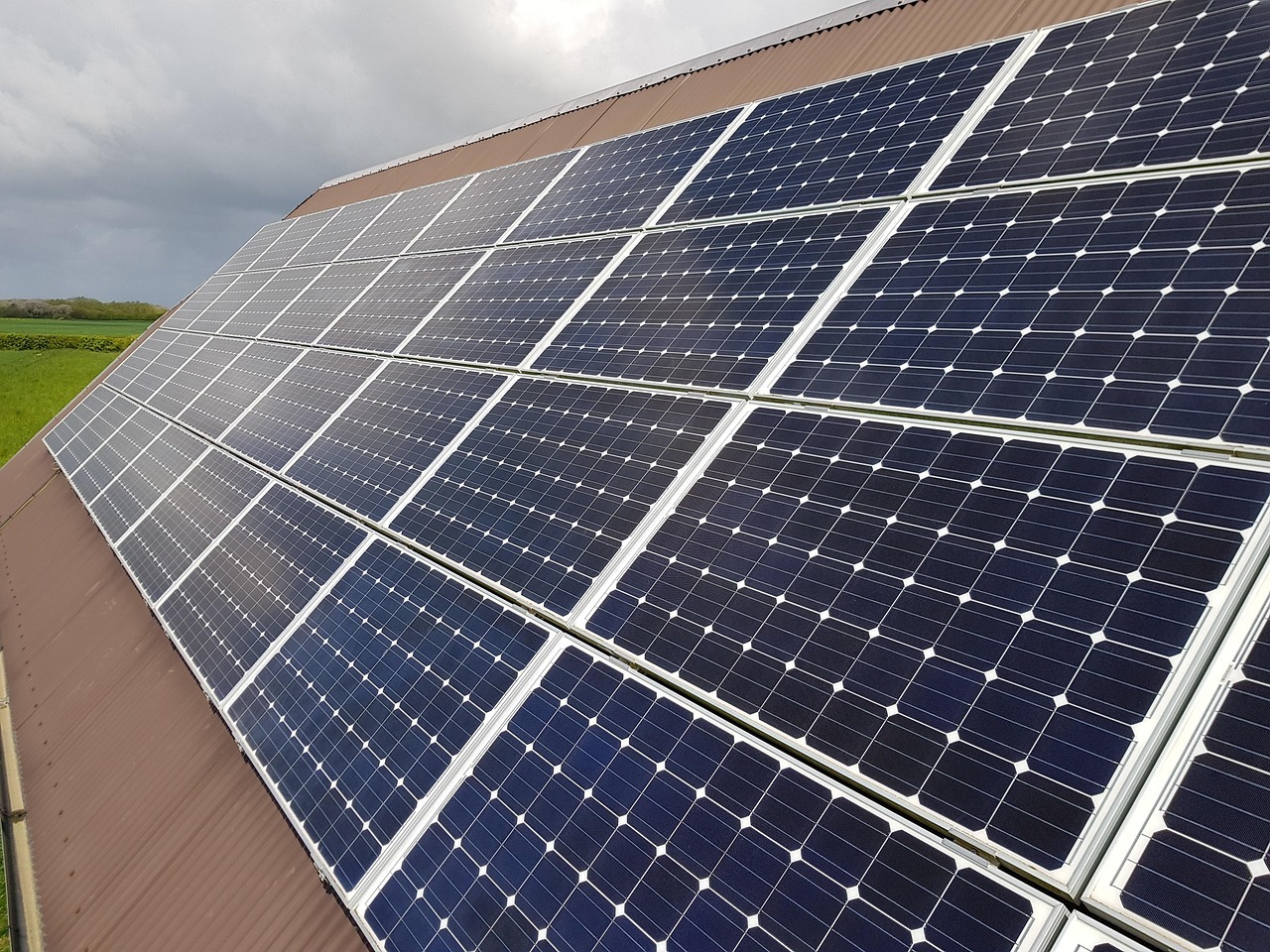
Three major initiatives have been identified as flagship projects in the catalogue of measures. All of these are currently being actively pursued, and the Climate Protection Management team has been tasked with leading each project. Measure S1, ‘Kitzingen Electricity Self-Sufficiency’, focuses on increasing regional renewable energy generation so that the town of Kitzingen can meet its electricity needs exclusively through renewable energy sources. A grant application for measure W1, ‘Municipal Heat Planning’, has been submitted and approved. The project is scheduled for completion by the end of 2025. Finally, measure V1, ‘Greenhouse Gas-Neutral City Administration’, should be mentioned, which has also been launched.
Further information on municipal heating planning